
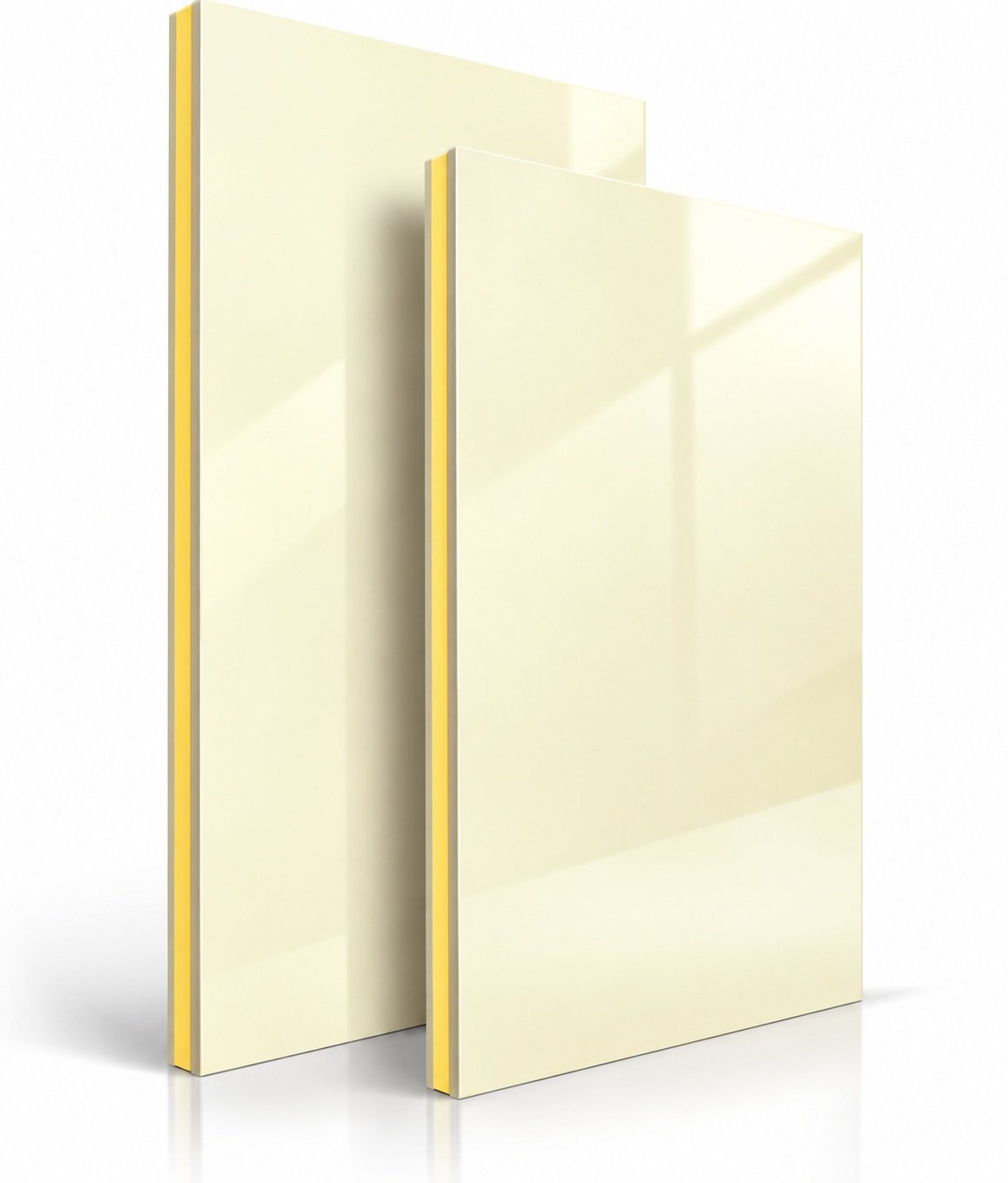
3 Layer WPC Board: Benefits, Uses, and Advantages for Modern Interiors
A 3 Layer WPC Board is a wood-plastic composite panel designed for furniture, cabinetry, and interior applications. Its three-layer construction combines durable outer surfaces with a supporting inner core, making it a practical choice for modern interior projects.
WPC stands for Wood Plastic Composite. Depending on its formulation and manufacturing process, a WPC board can offer excellent moisture resistance, termite resistance, and dimensional stability. These properties make it a popular alternative to conventional wood-based panels in areas where humidity and occasional water exposure are concerns.
What Is a 3 Layer WPC Board?
A 3 Layer WPC Board is manufactured with three integrated layers: two outer layers and one inner core. Unlike a conventional single-layer board, this construction allows manufacturers to use different formulations or densities across the panel.
The outer layers can provide a firm, smooth surface, while the core contributes to the board’s overall structure and weight. The precise composition, density, strength, and finish depend on the manufacturer’s specifications.
How Is a 3 Layer WPC Board Structured?
A typical three-layer WPC board consists of the following:
1. Top Layer
The top layer provides the working surface for furniture and interior applications. Depending on the product, it may offer a smooth finish suitable for lamination, painting, or other surface treatments.
2. Core Layer
The core forms the central part of the board. Its composition and density influence the panel’s weight, rigidity, and overall performance.
3. Bottom Layer
The bottom layer completes the panel structure and provides a surface for furniture fabrication and finishing.
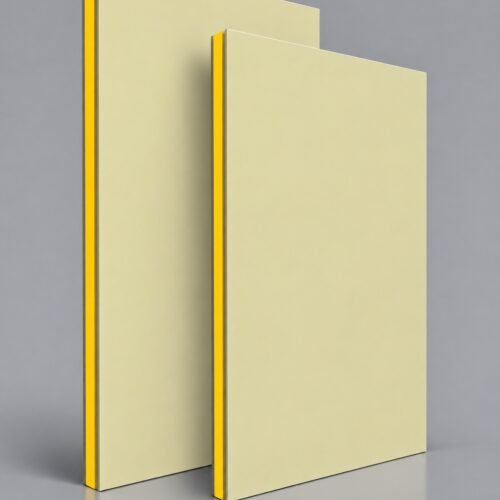
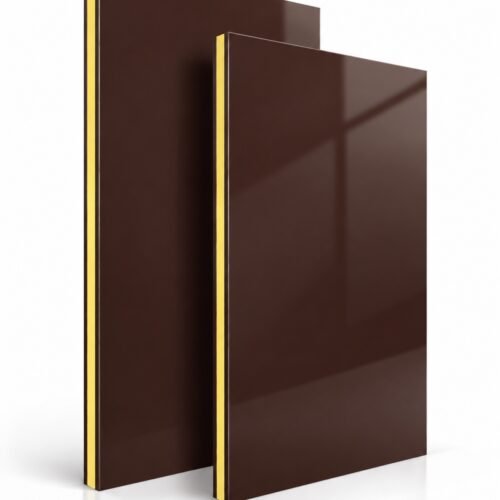
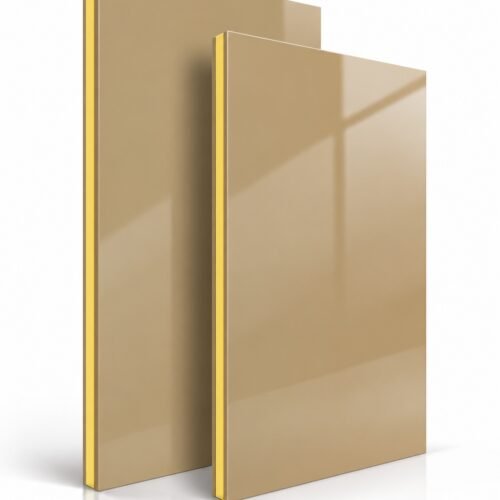
In some three-layer WPC boards, the outer layers are available in different colours, reducing or eliminating the need for additional lamination when the supplied finish is suitable for the intended application.
Key Benefits of 3 Layer WPC Boards
1. Moisture Resistance
WPC boards are generally designed to resist moisture better than conventional wood-based panels. This makes them suitable for selected kitchen cabinets, bathroom storage units, and other interiors exposed to humidity. Performance depends on the board’s formulation, edges, joints, and installation.
2. Termite Resistance
Unlike natural wood, WPC does not provide the same food source for termites. This makes WPC boards a useful option for furniture and interior applications where termite protection is important.
3. Dimensional Stability
Quality WPC boards can maintain their dimensions well under suitable indoor conditions. Correct fabrication, support, fastening, and installation are important for minimising bending and other deformation.
4. Low Maintenance
WPC boards generally require less maintenance than untreated natural wood. Routine cleaning and proper installation help maintain their appearance and service life.
5. Multiple Furniture Applications
Depending on the board’s specifications, WPC panels can be used for cabinets, wardrobes, storage units, partitions, and decorative interior work.
3 Layer WPC Board vs Plywood vs MDF
Choosing the right material depends on the application, budget, finish, and expected exposure to moisture.
| Feature | 3 Layer WPC Board | Plywood | MDF |
|---|---|---|---|
| Moisture resistance | Generally high; product-dependent | Varies by grade and bonding | Standard MDF is moisture-sensitive |
| Termite resistance | Generally resistant | Requires appropriate protection | Requires appropriate protection |
| Weight | Varies by density and construction | Varies by grade | Often relatively heavy |
| Surface finishing | Depends on board finish | Supports several finishes | Suitable for many painted finishes |
| Furniture applications | Cabinets, wardrobes, and selected wet-area interiors | General furniture and cabinetry | Decorative panels and indoor furniture |
Which is better for kitchen and bathroom furniture?
WPC boards are worth considering where moisture and termite resistance are priorities. However, the right choice depends on the specific product grade, hardware requirements, load-bearing needs, and finish. Plywood may remain preferable for certain structural applications, while MDF can be suitable for dry indoor decorative work.
Applications of 3 Layer WPC Boards
Three-layer WPC boards can be used in a variety of residential and commercial interiors.
- Modular kitchens: Cabinet carcasses, shutters, and storage components, subject to product suitability.
- Wardrobes: Storage systems, cupboard panels, and selected furniture components.
- Bathroom interiors: Storage cabinets and vanity units designed for humid environments.
- Wall panels and partitions: Interior decorative and dividing elements.
- Office furniture: Storage units, cabinets, and selected work-area furniture.
- Retail interiors: Display units, counters, and storage systems.
Before choosing a board for a particular application, check its density, thickness, screw-holding performance, load capacity, and finishing requirements.
Is a 3 Layer WPC Board Suitable for Kerala’s Climate?
Kerala’s humid climate makes moisture resistance an important consideration when selecting furniture materials. A suitable WPC board can be a practical option for homes, shops, offices, and other interiors where humidity is a concern.
For long-lasting performance, use a board designed for the intended application and ensure that the fabrication, joints, edge treatment, and installation follow the manufacturer’s recommendations.
Can 3 Layer WPC Boards Be Laminated or CNC-Cut?
Depending on the product specification, WPC boards can be cut, drilled, routed, and machined using suitable tools. Some products also support lamination, painting, and other decorative finishes.
Before fabrication, confirm the recommended cutting speeds, screw types, adhesive compatibility, and surface-finishing methods with the manufacturer. This helps achieve a clean finish and reliable furniture assembly.
How to Choose the Right WPC Board
Consider these factors before purchasing a WPC board for your project:
- Thickness: Select the appropriate thickness for the cabinet, shutter, panel, or furniture component.
- Density: Compare the manufacturer’s stated density and relevant performance specifications.
- Surface finish: Choose a board that suits your preferred colour, lamination, or painting requirements.
- Hardware compatibility: Check screw-holding performance and compatibility with hinges, handles, and fittings.
- Application: Verify suitability for kitchens, bathrooms, wardrobes, or other intended uses.
- Supplier reliability: Ask for product specifications, samples, and applicable warranty details.
Buy WPC Boards for Your Interior Projects
Looking for WPC boards for furniture, modular kitchens, wardrobes, or other interior applications? Choosing the right board can help you balance moisture resistance, durability, appearance, and maintenance requirements.
At homedoorz.com, explore building and interior material options for your next project. Compare product specifications and select a board suited to your fabrication needs and budget.
Explore the available products at homedoorz.com and choose the right material for your interior work.
Frequently Asked Questions
What is a 3 Layer WPC Board?
A 3 Layer WPC Board is a wood-plastic composite panel made with two outer layers and an inner core. Its construction and formulation influence its strength, weight, finish, and suitability for furniture applications.
Is a 3 Layer WPC Board waterproof?
WPC boards generally offer good moisture resistance, but performance varies by formulation and construction. Do not assume every product is completely waterproof under every condition; check the manufacturer’s specifications.
Is WPC board suitable for modular kitchens?
Yes, suitable grades of WPC board can be used for selected modular kitchen cabinets and shutters. Density, thickness, hardware compatibility, and load requirements should be considered before installation.
Is WPC board better than plywood?
Neither material is universally better. WPC is often advantageous where moisture and termite resistance matter, while plywood can be preferable for certain structural and hardware-intensive applications. The correct choice depends on the product grade and intended use.
Can WPC boards be used for wardrobes?
Yes. Suitable WPC boards can be used for wardrobe panels, cupboard components, and storage furniture. Select the thickness and density according to the design and load requirements.
Does a 3 Layer WPC Board need lamination?
Not always. Some boards come with coloured or finished outer surfaces that can be used without additional lamination. Others may require lamination or another finish depending on the desired appearance and application.
How do I choose the right WPC board thickness?
Choose the thickness according to the application, panel dimensions, support spacing, and expected load. Follow the manufacturer’s recommendations rather than selecting thickness based on appearance alone.

Reviews
There are no reviews yet.